


Cayman Islands food security is being strengthened through an important conservation project that is quietly protecting the country’s agricultural heritage for future generations.
The Cayman Islands may be best known for their crystal-clear waters, white-sand beaches and thriving financial services industry, but another valuable national asset is being carefully preserved: an extraordinary collection of local and imported fruit tree varieties.
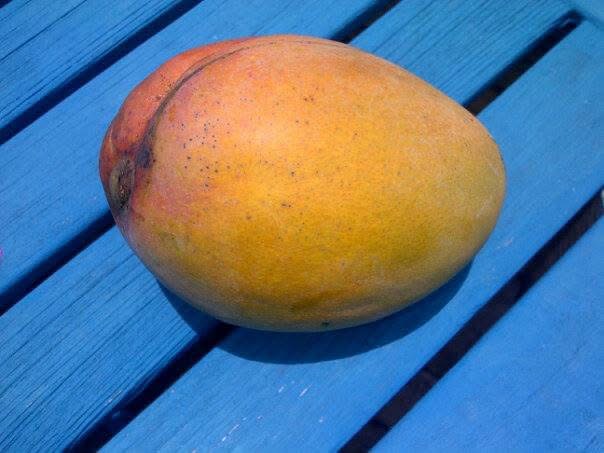
Maintained by the Cayman Islands Department of Agriculture, the collection includes more than 77 varieties of mangoes, 16 varieties of avocado and 19 varieties of bananas and plantains.
It also features an impressive selection of tropical fruit trees, including soursop, cashew, June plum, loquat and carambola. A new coconut collection featuring imported hybrid varieties is also being established.
Together, these plants form the country’s largest collection of fruit tree varieties and represent an important investment in Cayman’s agricultural future.
More Than an Orchard
Although it may look like an orchard, this collection serves a very different purpose. It is known as a germplasm repository—a living library of plant genetic material maintained for conservation, research and future propagation.
Unlike a commercial orchard, its primary purpose is not to grow fruit for sale. Instead, it preserves a broad range of plant varieties so that valuable genetic characteristics are not lost over time.
Each variety may possess different qualities. Some may be more resistant to particular pests or diseases, while others may be better suited to Cayman’s soil, rainfall or changing weather conditions. Preserving this diversity gives agricultural experts a much wider pool of plant material to study and draw upon in the future.
This is especially important for small islands, where plant diversity can be vulnerable to development, extreme weather and the gradual disappearance of traditional varieties from private gardens and farms.
Strengthening Cayman Islands Food Security
For an island nation that imports much of its food, increasing the resilience of local agriculture is an important long-term priority.
Strengthening Cayman Islands food security does not necessarily mean producing everything locally. It means developing a stronger, more adaptable agricultural sector that can complement imported food and respond more effectively when international supply chains are disrupted.
The Islands are particularly vulnerable to hurricanes, changing climate conditions, pests and plant diseases. If farmers depend too heavily on only a small number of popular plant varieties, a single disease or environmental change could have a significant impact on local production.
Maintaining a diverse collection helps reduce that risk. It also allows future researchers and growers to identify varieties that may be more resilient, productive or suitable for cultivation in Cayman’s conditions.
The collection is therefore about much more than preserving mangoes, avocados and bananas. It supports agricultural research, future food production and the Islands’ ability to adapt to challenges that may not yet be fully understood.
Protecting Cayman’s Natural and Cultural Heritage
Fruit trees have long been part of everyday life in the Cayman Islands. Backyard mangoes, avocado trees, coconut palms and traditional tropical fruits are closely connected to Caymanian homes, gardens and communities.
Many residents will remember gathering fruit from family gardens, sharing seasonal produce with neighbours or waiting for a favourite mango tree to bear fruit. These traditions form part of Cayman’s cultural identity and its relationship with the natural environment.
By protecting a wide range of fruit tree varieties, the Department of Agriculture is also preserving an important part of the country’s story. Once a plant variety disappears, the unique genetic characteristics it carries may be impossible to recover.
Conservation is therefore not only about protecting what exists today. It is also about ensuring that future generations inherit the resources, knowledge and choices they need to thrive.
Growing Resilience for Tomorrow
Projects like this may take place quietly, away from Cayman’s beaches, hotels and commercial centres, but their long-term value is significant.
The collection demonstrates how thoughtful planning today can help build a more resilient tomorrow. By preserving agricultural diversity, supporting research and protecting valuable plant genetics, Cayman is taking practical steps to strengthen its ability to respond to future environmental and food-supply challenges.
It is another example of what makes these Islands so special: a community that values its heritage while continuing to plan carefully for the future.
At Navigate, we love sharing the stories that reveal the many different sides of the Cayman Islands—and the important work taking place to make this an even more remarkable and resilient place to live, visit and invest.
