
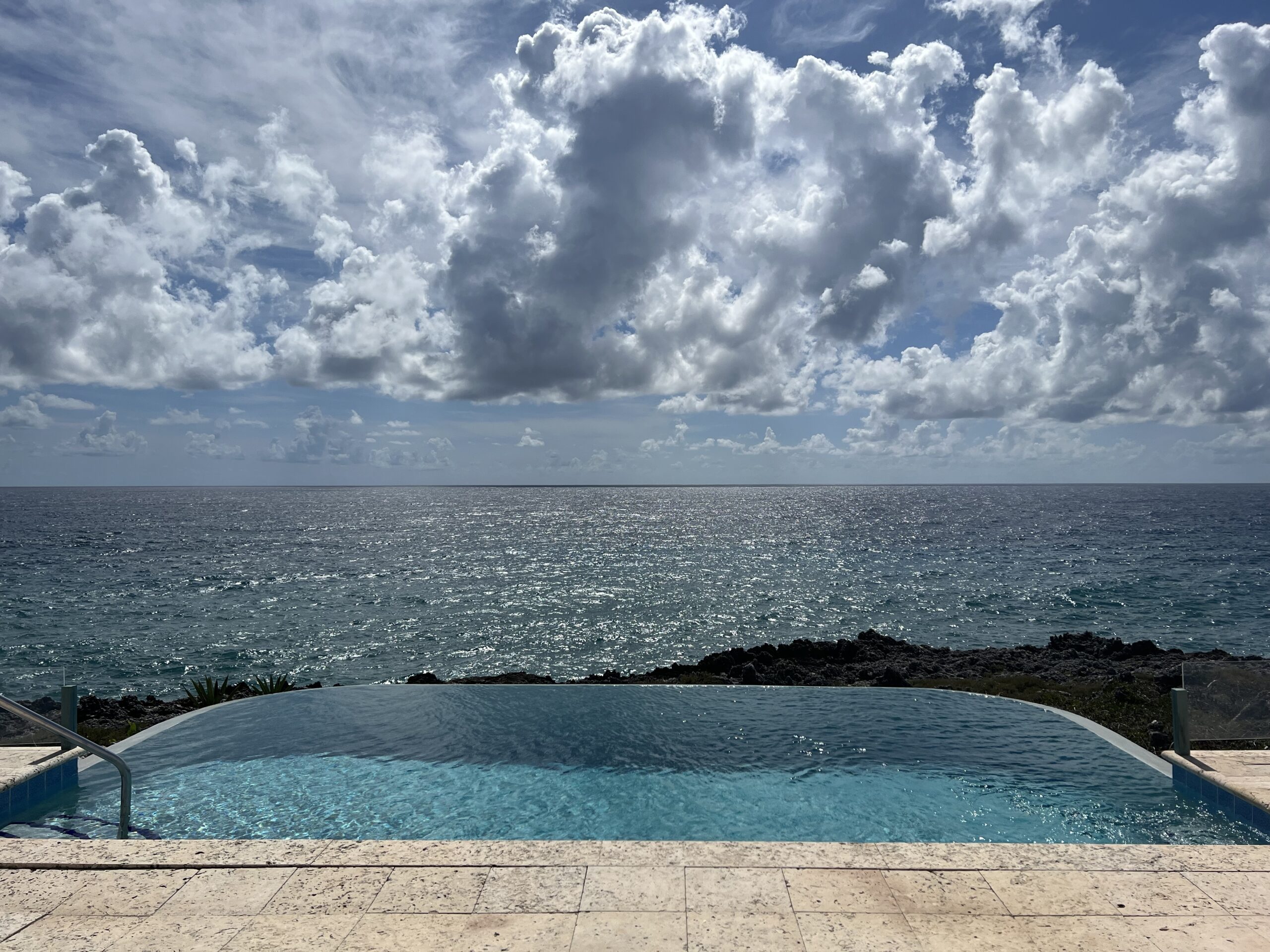




The Cayman Islands property market entered 2026 with strong momentum, driven by international demand for secure assets, lifestyle relocation, and limited prime coastal land.
For global investors, Cayman real estate offers a compelling combination of tax efficiency, legal security, and long-term value preservation. The jurisdiction does not impose annual property taxes, capital gains tax, or inheritance tax on real estate. Instead, buyers typically pay a one-time stamp duty at the time of purchase.
Over the past several years, demand for luxury beachfront property—particularly along Seven Mile Beach and in exclusive residential communities—has increased significantly. Ultra-high-net-worth buyers from North America, Europe, and Latin America are increasingly purchasing second homes and investment properties in the islands.
Several trends are shaping the market in 2026.
First, limited coastal inventory continues to support property values. With strict planning regulations and a finite amount of beachfront land, new developments remain relatively constrained compared with other Caribbean destinations.
Second, the rise of branded luxury residences and resort-integrated developments is attracting global buyers seeking turnkey ownership with hotel-style services, concierge support, and private amenities.
Third, Cayman’s expanding financial services sector continues to drive strong rental demand for high-quality residences, particularly in Grand Cayman’s prime neighborhoods.
Perhaps most importantly, many international investors now view Cayman real estate not only as a lifestyle asset but also as a strategic wealth preservation tool—a hard asset located within one of the world’s most stable offshore jurisdictions.
For buyers seeking a secure Caribbean property market supported by strong legal protections and international demand, Cayman real estate remains one of the most compelling investment opportunities in 2026.
